tloaelehileng
Dikahare tsa Tšebeletso
- Aterese ea lengolo-tsoibila ea profeshenale e nang le inbox ea 2 GB
- Mekhoa e kopaneng ea tefo le ea ho romella
- Rekisa ka kotloloho ho Facebook le Instagram
Dikahare tsa Tšebeletso
- Aterese ea lengolo-tsoibila ea profeshenale e nang le inbox ea 2 GB
- Mekhoa e kopaneng ea tefo le ea ho romella
- Rekisa ka kotloloho ho Facebook le Instagram
Dikahare tsa Tšebeletso
- Aterese ea lengolo-tsoibila ea profeshenale e nang le inbox ea 2 GB
- Mekhoa e kopaneng ea tefo le ea ho romella
- Rekisa ka kotloloho ho Facebook le Instagram
Dikahare tsa Tšebeletso
- Aterese ea lengolo-tsoibila ea profeshenale e nang le inbox ea 2 GB
- Mekhoa e kopaneng ea tefo le ea ho romella
- Rekisa ka kotloloho ho Facebook le Instagram

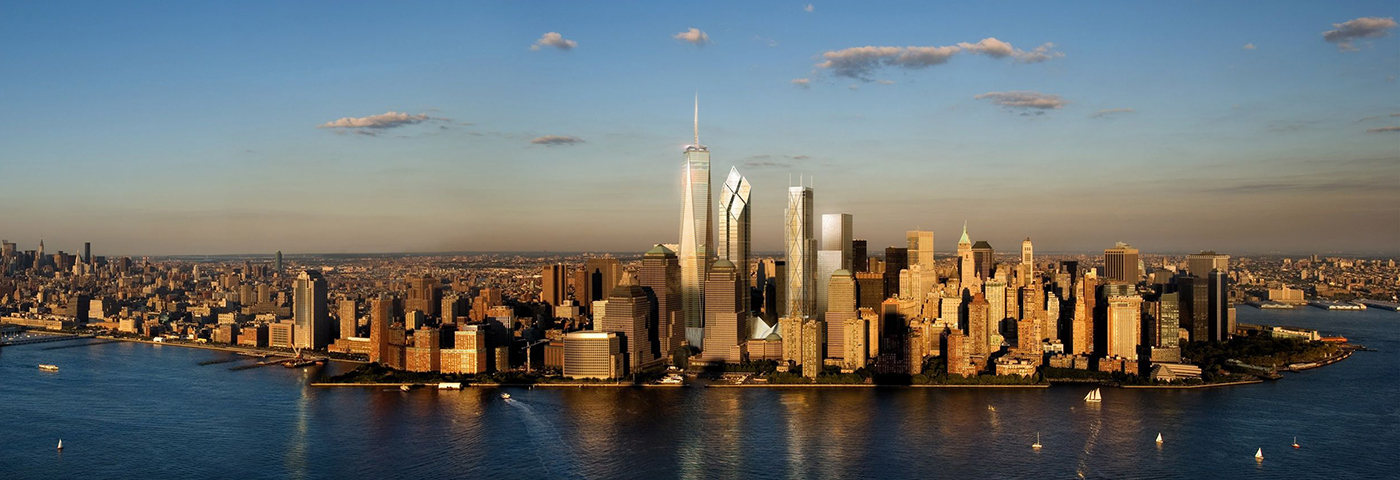
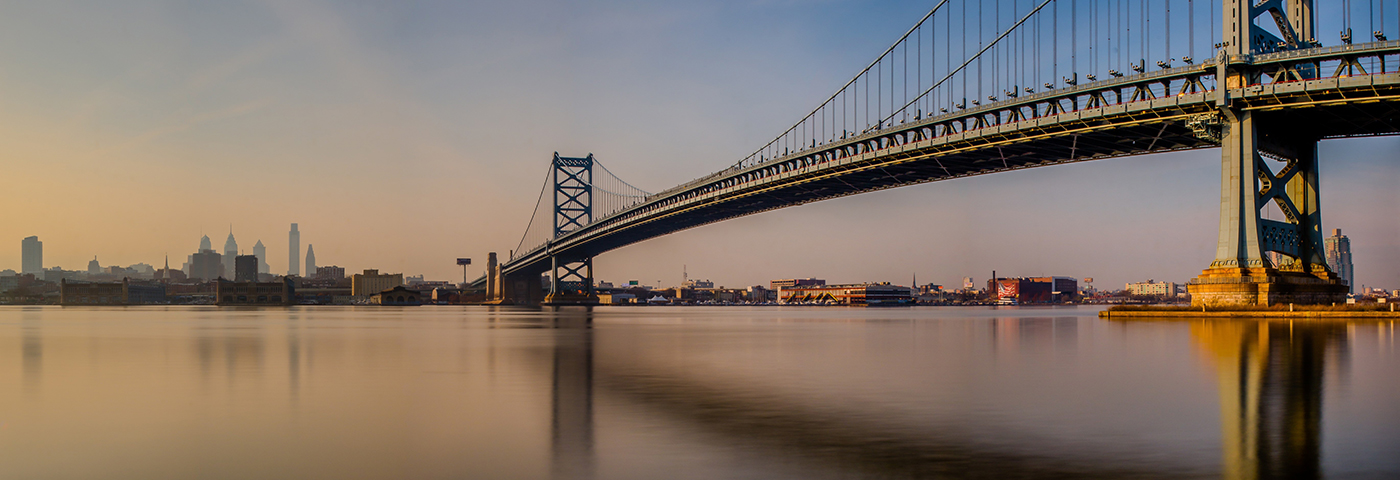
United States of America, e khutsufalitsoeng e le "United States", ntlo-kholo ea eona e Washington, e bohareng ba Amerika Leboea, e moeling oa Canada ka leboea, Kou ea Mexico ka boroa, Leoatle la Pacific ka bophirima, le Leoatle la Atlantic ka bochabela. Libaka tse ngata li na le tlelaemete ea kontinente, ha sebaka se ka boroa se na le tlelaemete ea subtropical. Sebaka ka kakaretso se phahame ka bophirima 'me se tlaase ka bochabela, se na le mehloli e mengata ea tlhaho. Lipolokelo tsohle tse pakiloeng tsa mehloli ea liminerale li maemong a pele lefatšeng. Sebaka sohle ke lisekoere-k'hilomithara tse limilione tse 9.37, 'me lebōpo la leoatle ke lik'hilomithara tse 22680. United States e arotsoe ka linaha tse 50, setereke se le seng (Setereke sa Columbia), le litereke tse 3143. Palo eohle ea baahi ba United States ke batho ba ka bang limilione tse 341, 'me boholo ba baahi ba khomarela Bokreste le Bok'hatholike, 'me ka kakaretso ba bua Senyesemane.
The EB1 (Employment-Based First Preference) visa is a U.S. green card category for extraordinary talent (EB1A), outstanding professors/researchers (EB1B), and multinational executives (EB1C). You must be met: Extraordinary Ability (EB-1A):Demonstrated exceptional skills in sciences, arts, education, business, or athletics with national/international recognition.No job offer needed. Outstanding Professor/Researcher (EB-1B):Proven excellence in a specific academic field.Requires a U.S. job offer. Multinational Executive/Manager (EB-1C):Exceptional performance as a manager or executive.Must be transferred by a U.S. employer.

It is a special category under the second employment-based preference (EB-2) of U.S. immigration. Unlike other EB-2 classifications, the NIW is designed to attract foreign nationals who have demonstrated the ability to make, or are capable of making, significant contributions to the national interest of the United States. Applicants do not require employer sponsorship or a labor certification. It is targeted at skilled professionals who have either a bachelor’s degree with 5+ years of experience in their field or have a master degree.
It was created by U.S. Congress in 1993 as an economic development initiative administered by USCIS. This investment-based visa program stimulates foreign capital inflow for American infrastructure projects and job growth. Initially designed as a temporary measure, the program evolved in 2004 with the establishment of Regional Centers to facilitate investments. To date, the EB-5 program has enabled numerous qualified investors and their families to obtain U.S. permanent residency (Green Cards) while contributing to the nation's economic development.
It is regarded as a high priority classification and hence the US government has not imposed any annual number ceiling on this category and the family members of applicants can obtain permanent resident(Green Card)rapidly. Family members regarded as immediate relative includes following relations:Spouse, Unmarried and dependent children under 21 years of age,Parents (if the US citizen is above 21 year of age).